
Put the setting in context
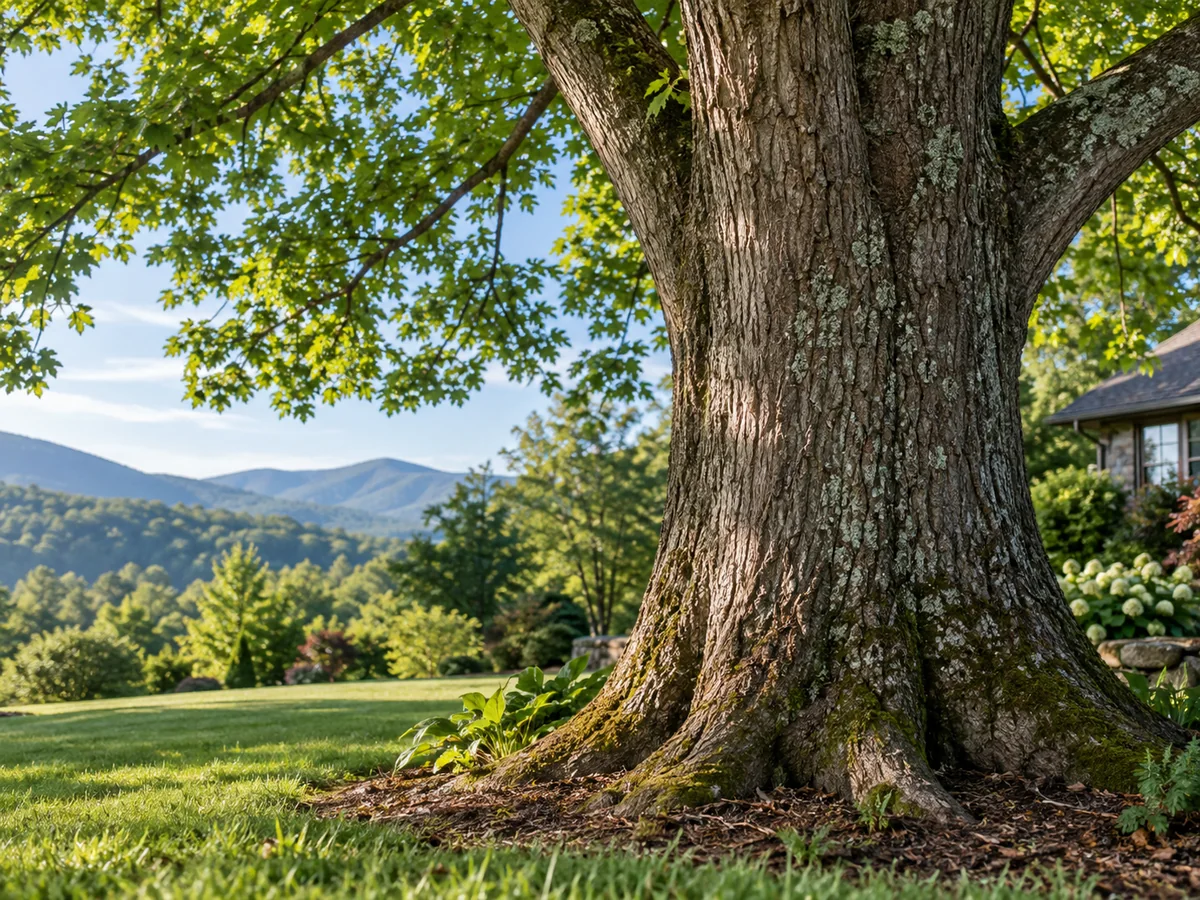
Keep notes about work near the tree and how the surrounding ground is used throughout the year. Include visible roots and nearby paving in photographs taken from a safe position. These details help guide questions about the site alongside observations of the trunk and canopy.
Describe how the ground is used
Parking, frequent foot traffic, changes in paving, and new garden beds are useful details to record around an established tree. Mention whether these uses are recent or longstanding. Include where water tends to collect after rain and where it drains away, without digging around roots to investigate a suspected problem.
Discuss changes before taking action
Adding soil, changing levels, or applying products can alter the setting further. Explain what you want to improve and ask what assessment should come first. Keep a record of earlier work and any materials applied so the discussion can consider both visible tree symptoms and the history of the surrounding ground. A simple sketch can show where vehicles travel and where recent work took place. Mark the tree and nearby hard surfaces without attempting to map hidden roots. That practical context can make a discussion of the site easier to follow.
Connect your questions to the service
For an Asheville property, our Tree Health Care page connects these questions with a discussion of the work itself. Explain which observations are recent and what you would like to preserve or change. Keep the request centered on the individual tree and the space around it, rather than assuming that a general article defines the right approach for every garden.
Discuss the next step
Contact Blue Ridge Canopy Co. at (828) 555-0147 to share your priorities and ask which details would help the conversation. Have your notes available, including the location of the tree, previous work, and any access restrictions. Clarify the questions you want answered before agreeing to a particular scope or making further changes to the site.