
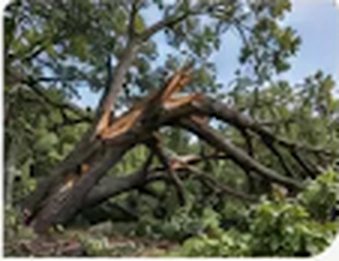
Put the setting in context
Record when the damage happened and which areas of the property are affected. Mention blocked access and nearby structures when making contact. Separate what you have observed from what you are unsure about, so the initial conversation can focus on the conditions that need assessment.
Keep your description practical
State whether access is blocked and whether buildings or utility lines are nearby. Do not move closer to confirm a detail that cannot be seen safely. Photographs are optional; a clear description from a protected position is more useful than an image taken beneath unstable branches or beside damaged equipment.
Separate the immediate concern from later work
Once the immediate situation has been addressed, there may be further questions about remaining trees, cleanup, and the use of the affected area. Keep those topics distinct in your notes. A staged conversation helps you explain what requires attention now and what belongs to later decisions about the landscape. When reporting the situation, identify the property clearly and explain which entrance can be used safely if known. Avoid promising access through an affected area. Conditions may change, so distinguish information you have just observed from details recorded earlier in the day.
Connect your questions to the service
For an Asheville property, our Storm Response page connects these questions with a discussion of the work itself. Explain which observations are recent and what you would like to preserve or change. Keep the request centered on the individual tree and the space around it, rather than assuming that a general article defines the right approach for every garden.
Discuss the next step
Contact Blue Ridge Canopy Co. at (828) 555-0147 to share your priorities and ask which details would help the conversation. Have your notes available, including the location of the tree, previous work, and any access restrictions. Clarify the questions you want answered before agreeing to a particular scope or making further changes to the site.