
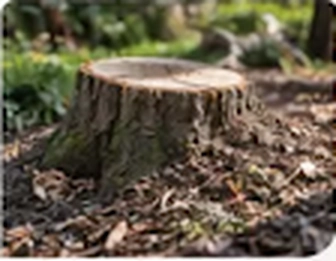
Start With the Whole Setting
A tree should be considered together with its surroundings. Look at nearby structures, access, roots, overhead space, soil, drainage, and recent changes to the property. A single symptom does not always explain the full condition.
For work related to Stump Grinding, an on-site review can help connect what is visible with the options that suit the tree and the site.
What to Observe
- Changes in leaves, buds, bark, roots, or branch structure.
- New leaning, cracking, hanging limbs, or movement around the root area.
- Construction, soil compaction, drainage changes, or recent storm exposure.
- Clearance needs around the home, driveway, paths, and utility areas.
Plan the Next Step
Photographs and a clear description are useful when you first make contact, but they do not replace a review of the tree in its actual setting. Keep people away from visibly unstable or storm-damaged trees and branches.
The goal is to match the response to the condition rather than assume that every tree needs the same work.